Entry · Ref 2VFTCPLS
Find Your New Favorite Dessert at a Cuban Bakery in Aurora CO
- Posted
- 2026-10-29
- Last amended
- 2026-10-29
- Account
- @zaneytwn124
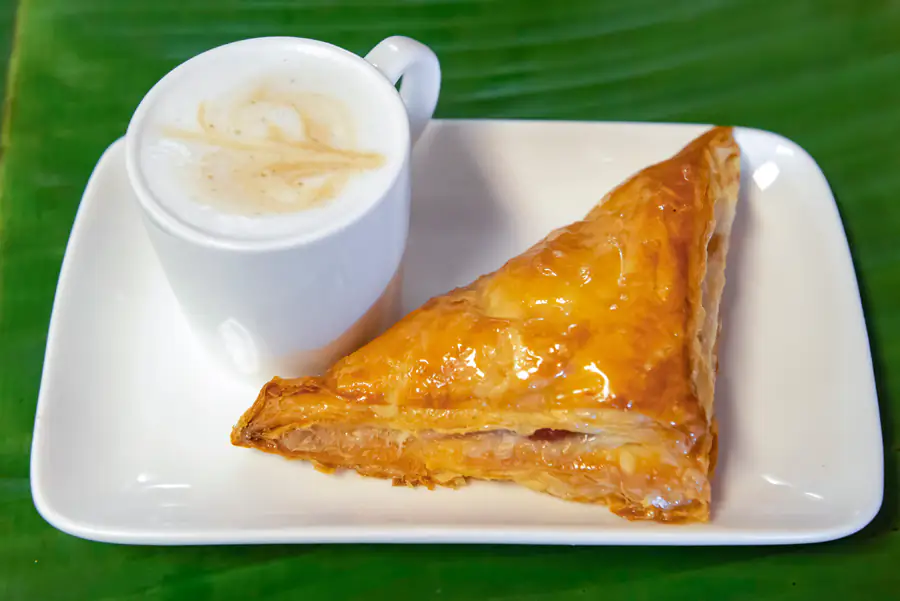
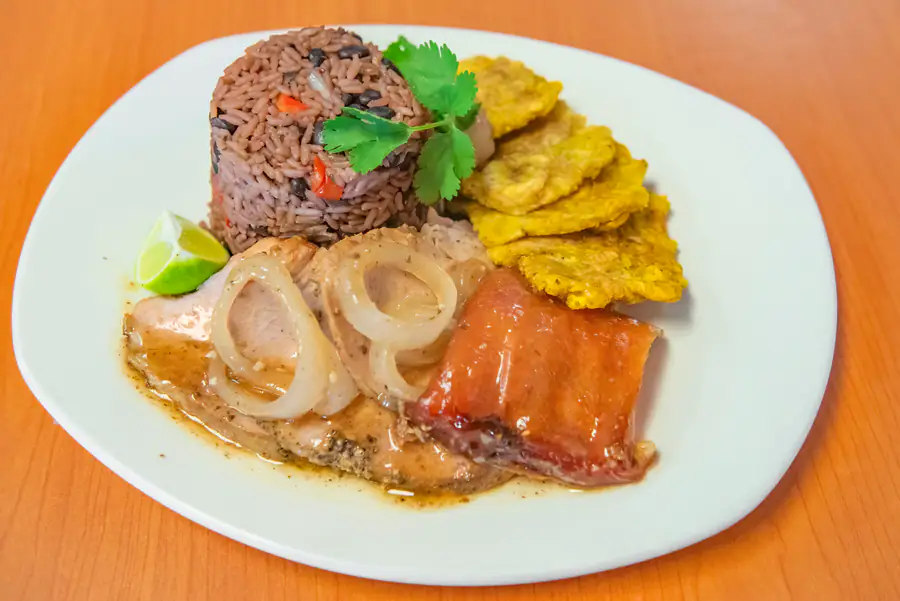
There is a particular kind of excitement that comes with walking into a bakery where the glass case does not just display sweets, it tells a story. At a good Cuban bakery, dessert is never only about sugar. It is about texture, temperature, timing, and memory. The crisp shell of a pastry has to shatter cleanly. The guava filling should taste bright, not flat. A slice of flan should wobble just enough to promise silk on the tongue. And if there is café cubano nearby, the entire room seems to sharpen into focus.
That is what makes the search for a great Cuban bakery in Aurora CO worth doing well. Aurora has the kind of food culture that rewards curiosity. People here are willing to drive across town for bread that tastes right, for coffee made with care, for pastries that feel handmade instead of manufactured. In that landscape, a Cuban bakery offers something distinctive. It brings together European baking traditions, Caribbean ingredients, and a deeply practical understanding of how people actually eat. Breakfast, afternoon coffee, family gatherings, celebrations, and the sudden late night craving for something flaky and sweet all have a place here.
If you have never spent time exploring Cuban pastries and desserts, it helps to know that the appeal is not one note. These are not all overly rich desserts aimed at shock value. The best examples balance sweetness with acidity, creaminess with crunch, and nostalgia with craft. That balance is why one visit can turn into a habit.
What sets a Cuban bakery apart
A Cuban bakery usually reveals itself before you even order. The first clue is the smell, butter, sugar, yeast, espresso, and often guava. The second is the range. In many bakeries, the pastry case follows a narrow lane: croissants, muffins, cookies, maybe a decorated cake. Cuban bakeries tend to feel broader and more lived in. You may see flaky pastries next to custards, layer cakes beside cookies, and savory baked goods sharing space with desserts. That mix reflects everyday Cuban food culture, where a bakery is often part stop for breakfast, part neighborhood coffee counter, part place to pick up a cake for a birthday.
The dessert side of the case is where many first time visitors start, and with good reason. Cuban sweets often rely on simple ingredients handled carefully. Eggs, milk, sugar, butter, cream cheese, guava paste, coconut, and puff pastry appear again and again, but they take different forms. The result is familiar enough to feel approachable and distinct enough to feel special.
There is also a practical, old school sensibility behind these desserts. They are built to be enjoyed with coffee, shared with family, brought to gatherings, and eaten at different times of day. That matters. Some modern desserts seem designed mainly for photographs. Cuban bakery desserts usually have a sturdier purpose. They are meant to be actually eaten, not admired for thirty seconds and abandoned.
The pastries most people fall for first
If you ask regulars what first hooked them, the answer is often guava. Guava pastries are one of the easiest and best introductions to Cuban sweets because they show how much personality can come from a short ingredient list. Good pastry dough brings butter and crunch. The guava adds floral, jammy sweetness with a slight tang. Sometimes cream cheese joins in, softening the fruit and adding a faint savory note. It is a combination that works because each element checks the others. Without that balance, guava pastries can become sticky and heavy. When made well, they taste lively and clean.
Pastelitos are probably the most recognizable example. The name covers a range of filled pastries, but in practice many people use it to refer to the golden, flaky pastries filled with guava, cream cheese, coconut, or sweetened meatless fillings depending on the bakery. A fresh pastelito should not sag in the middle or feel damp on the bottom. You want distinct layers, a top that flakes when touched, and filling that stays inside without turning gluey.
Then there are puff pastry variations that look simple but demand precision. Too much filling and the pastry leaks or collapses. Too little and it tastes dry. Too hot an oven and the outside browns before the interior sets. Too cool and the butter melts out before the layers rise. That is why a dependable bakery earns loyalty. Consistency is hard in laminated dough, especially when a shop is busy and batches move quickly.
For some customers, the gateway dessert is not a pastry at all. It is flan.
Why flan remains the benchmark
Flan looks humble in the display case, and that is exactly why it is such a useful test. A bakery can hide mediocre technique behind frosting and decoration, but flan leaves little room for bluffing. The ingredients are straightforward. The method is not complicated on paper. Yet the difference between acceptable and memorable flan is huge.
A great Cuban style flan should be dense enough to feel luxurious but not rubbery. It should slice cleanly while keeping a soft, delicate texture. The caramel matters as much as the custard. Too dark and it tastes bitter. Too pale and it contributes sweetness without complexity. Temperature matters too. Flan served too cold can mute its own flavor. Served closer to cool room temperature, the eggs, vanilla, and caramel come forward.
Many people assume all flan tastes broadly the same. It does not. Some versions lean rich and creamy, almost cheesecake adjacent in their weight. Others feel silkier and lighter, with more pronounced caramel. In a strong Cuban bakery, flan often tastes comforting without becoming sleepy. It invites another bite.
That same principle applies to tres leches, another dessert people often approach with mixed expectations.
Tres leches when it is done right
Tres leches has had a rough decade. Too many versions in too many places have turned it into a soggy afterthought, aggressively sweet and structurally sad. That is a shame, because proper tres leches is one of the most satisfying desserts in a bakery case.
The concept is simple: sponge cake soaked in a mixture of three milks. The execution is not. The sponge has to be light enough to absorb liquid and strong enough to keep its shape. The milk mixture has to saturate without drowning. The topping, often whipped cream, should finish the cake rather than mask it. When everything is calibrated, the cake tastes creamy and airy at the same time.
At a Cuban bakery in Aurora CO, a good tres leches often reflects a restrained hand. It should feel moist from edge to center, but not sloshy. The milk flavor should be present, yet not cloying. If cinnamon or fruit appears, it should act as an accent. This is one dessert where many bakers are tempted to overdo. The best ones stop at exactly the right moment.
Cakes for celebrations, and the quiet skill behind them
Walk into a busy Cuban bakery on a weekend and you may notice customers picking up large sheet cakes or round celebration cakes while others order a single pastry and coffee. That range is not accidental. Cuban bakeries frequently serve as celebration anchors for birthdays, baby showers, graduations, office parties, and church events. The cake has to look festive, but more importantly it has to feed a group and hold up through transport, slicing, and room temperature service.
This is where practical craftsmanship shows. Frosting cannot be so delicate that it collapses after twenty minutes in a car. Fillings need enough flavor to register in a large slice. Sponge layers need moisture but also structure. A bakery that does this work well understands not just baking, but service conditions. That is less glamorous than a dramatic plated dessert, yet it matters more in real life.
Traditional options can include vanilla sponge cakes with tropical fruit fillings, guava accents, whipped toppings, and other combinations that feel celebratory without becoming excessively heavy. Not every customer wants a towering, ultra rich dessert at a gathering. Sometimes a lighter sponge with fruit and cream makes more sense, especially in mixed age groups where some guests prefer a milder sweetness.
How to tell you have found a bakery worth revisiting
A first visit can be overwhelming, especially if the case is full and names are unfamiliar. There are a few reliable signs that separate a bakery that merely sells sweets from one that genuinely respects them.
- The pastry shells look crisp and intact, not tired or greasy.
- Fillings appear distinct in color and texture, not collapsed into mush.
- Staff can explain what items are, and often have opinions about favorites.
- Coffee service moves with confidence, which usually signals a practiced operation.
- Regulars come in for specific items, not just whatever is left.
Those clues sound simple, but they reflect a lot. Freshness is visible. Pride is audible. Repetition from customers is a stronger signal than any marketing language. If people have a usual order, the bakery is likely doing something right.
Pairing dessert with coffee, the way it is meant to be
One of the pleasures of visiting a Cuban bakery is that dessert rarely stands alone. Coffee is part of the equation. A small, powerful café cubano can sharpen the sweetness of a guava pastry. A café con leche can soften the richness of flan or cake. Even a plain cup of strong coffee changes the rhythm of eating dessert, turning it from an isolated treat into a small ritual.
This pairing matters more than many people realize. Sweet pastries that might feel one dimensional on their own often gain depth next to assertive coffee. The bitterness, warmth, and roasted notes create contrast. A flaky pastry tastes more buttery. Caramel tastes darker. Cream cheese filling tastes tangier. It is one reason customers often leave with more than they intended. What started as a search for one dessert becomes pastry plus coffee plus one extra item for later.
If you are choosing for the first time, start with contrast rather than excess. A bright guava pastry with strong coffee tends to land better than two very rich desserts at once. If you prefer softer textures, flan and café con leche make a natural pair. If you are bringing dessert home for a group, mix styles. A custard, a cake slice, and a couple of flaky pastries give people options and make the spread feel generous without requiring a giant order.
What Aurora adds to the experience
Aurora is the kind of city where food traditions meet each other in practical, everyday ways. You can feel that in the bakery scene. Customers often arrive with different expectations. Some grew up with Cuban pastries and want the exact taste they remember. Others are trying them for the first time and need a little guidance. Good bakeries in diverse communities learn to serve both audiences.
That creates a useful tension. The bakery has to stay rooted enough to satisfy people who know the difference between a decent pastelito and a great one. At the same time, it has to be welcoming to newcomers who may not know the names yet but know what they like when they taste it. In my experience, the best shops handle this naturally. Nobody is made to feel out of place for asking questions. Nobody is pressured into ordering the trendiest item. The staff simply points you toward what is fresh, what is popular, and what fits your taste.
In a place like Aurora, that approach matters. Neighborhood bakeries become gathering points not because they chase novelty, but because they offer reliability with personality. When a bakery remembers your coffee order or tells you the flan came out particularly well that morning, it shifts from transaction to relationship. That is often when a customer starts saying, almost without noticing it, that they have a favorite bakery now.
Common misconceptions about Cuban desserts
A lot of people walk into a Cuban bakery expecting everything to be extremely sweet. Some items certainly lean indulgent, but the category as a whole is more nuanced than that. Guava brings tartness. Cream cheese brings salt and tang. Puff pastry brings dryness and flake that cuts richness. Coffee plays a balancing role too. The better the bakery, the more those contrasts show.
Another misconception is that bakery desserts are interchangeable from one shop to the next. They are not. Technique, ingredient quality, and turnover make a major difference. Two flans can look similar and eat completely differently. One guava pastry can taste fragrant and fresh, another dull and gummy. The same goes for cakes. This is one reason locals are often passionate about their preferred bakery. They are not arguing over labels. They are reacting to real differences in execution.
There is also the assumption that Cuban bakery desserts are only for special occasions. In practice, many are built for everyday pleasure. A small pastry with coffee is not an event. It is a break in the day. That sense of accessibility is part of the charm.
If you are ordering for a group
Choosing dessert for a family gathering or office event is its own skill. You want variety, but not chaos. Too many heavy desserts can make the table feel monotonous. Too many delicate items can make transport difficult. Cuban bakeries are often well suited to these situations because their dessert cases usually include both sturdy crowd pleasers and softer, eat now specialties.
For a mixed group, a sensible approach is to combine textures and sweetness levels. Flaky pastries satisfy the people who like crisp edges and fruit fillings. Flan gives custard lovers something classic. A sheet cake or tres leches handles the need for easy slicing and sharing. This kind of spread tends to please a wider room than one oversized, intensely frosted cake.
Here is a simple way to think about it when placing an order:
- Choose one shareable cake for structure.
- Add one custard based dessert for contrast.
- Include a few pastries with fruit or cream cheese for variety.
- Ask what is freshest that day instead of ordering only by habit.
- If coffee is part of the event, order dessert with that pairing in mind.
That last point gets overlooked. Dessert lands differently at a brunch table than it does after dinner. With coffee, lighter pastries often outperform heavier frosted slices. After a full meal, smaller portions of intense desserts may make more sense. A bakery that serves a lot of regulars can usually steer you in the right direction if you explain the occasion.
The small details that turn one visit into a routine
People often think they become loyal to a bakery because of one signature item. Sometimes that happens. More often, loyalty grows from accumulation. The pastry was good, then the coffee was consistently strong, then the staff remembered your preference, then you brought home a box for friends and everyone asked where it came from. Reliable pleasure is persuasive.
Texture is often the hidden factor. Most dessert disappointments come down to texture before flavor. A stale crust, a gummy cake crumb, a flan that set too hard, a whipped topping that turned grainy in the https://archervlux644.vantagequill.com/posts/fresh-out-of-the-oven-at-cuban-bakery-aurora-co cooler, any of these can undermine otherwise solid flavors. Great bakeries pay attention to mouthfeel in ways customers may not articulate but always notice. You might not say, “the lamination was precise and the moisture level in the sponge was well judged,” but you will say, “I need to go back there.”
Timing matters too. Some pastries are at their peak within hours of being baked. Others settle beautifully overnight. Knowing the difference is part of professional judgment. A staff member who suggests eating one item immediately and saving another for later is usually doing you a favor, not upselling. That kind of advice reflects a bakery that cares how the product performs after it leaves the counter.
Finding your own favorite
The fun of exploring a Cuban bakery in Aurora CO is that your favorite may not be the obvious bestseller. Some people arrive convinced they want a decorated cake slice and leave talking about a simple guava pastry. Others assume flan is too familiar to be interesting and end up returning for it every week. Taste is personal, but quality is not random. Freshness, balance, and execution still decide whether a dessert earns a second visit.
A smart first order is one item that showcases pastry, one that showcases custard or cake, and coffee if you drink it. That gives you a quick read on the bakery’s range. From there, let preference take over. If you love fruit, follow the guava. If you prefer creamy desserts, start with flan or tres leches. If you need something for a party, ask what travels well and what regulars order for gatherings.
The best bakery discoveries rarely feel dramatic in the moment. They feel easy. You take a bite, notice the pastry flakes the right way, the filling tastes bright, the sweetness does not overwhelm, and suddenly you are planning what to try next time. That is how a new favorite dessert begins, and often how a new favorite bakery does too. In a city with as much culinary range as Aurora, that is a pleasure worth chasing.
Cuba Bakery & Café
15028 E Mississippi Ave, Aurora, CO 80012
+1 303-752-2822
FAQ About Cuban bakery Aurora CO
What are Cuban pastries called?
Many small Cuban pastries are called pastelitos. They can have sweet or savory fillings, such as guava, cheese, guava and cheese, or seasoned meat. Cuba Bakery & Café lists guava, cheese, guava-and-cheese and beef pastries on its menu. Ask the bakery about current availability and ingredients when ordering.
What are traditional Cuban pastries?
Common Cuban bakery choices include flaky pastelitos filled with guava, cheese or meat. Cuban bakeries may also offer empanadas, breads and desserts alongside coffee. Cuba Bakery & Café lists pastelitos, several empanada fillings, pan Cubano and desserts such as tres leches and bread pudding. Selection can vary, so confirm the day's choices with the bakery.
What makes Cuban bread different?
Cuban bread is known for its light interior and a thin crust that becomes crisp when toasted or pressed. Traditional recipes often use lard, although ingredients vary by baker. It is commonly served as buttered toast or used for Cuban sandwiches. Cuba Bakery & Café lists pan Cubano and tostada on its menu; ask staff about the ingredients in their bread if you have dietary restrictions.